Relationships come first.
Children learn through secure connections with teachers, friends, families, and their community.

At Orchard Atelier, children are not waiting to become capable—they already are. We listen to their questions, make their thinking visible, and create space for ideas to grow through art, nature, play, and relationships.
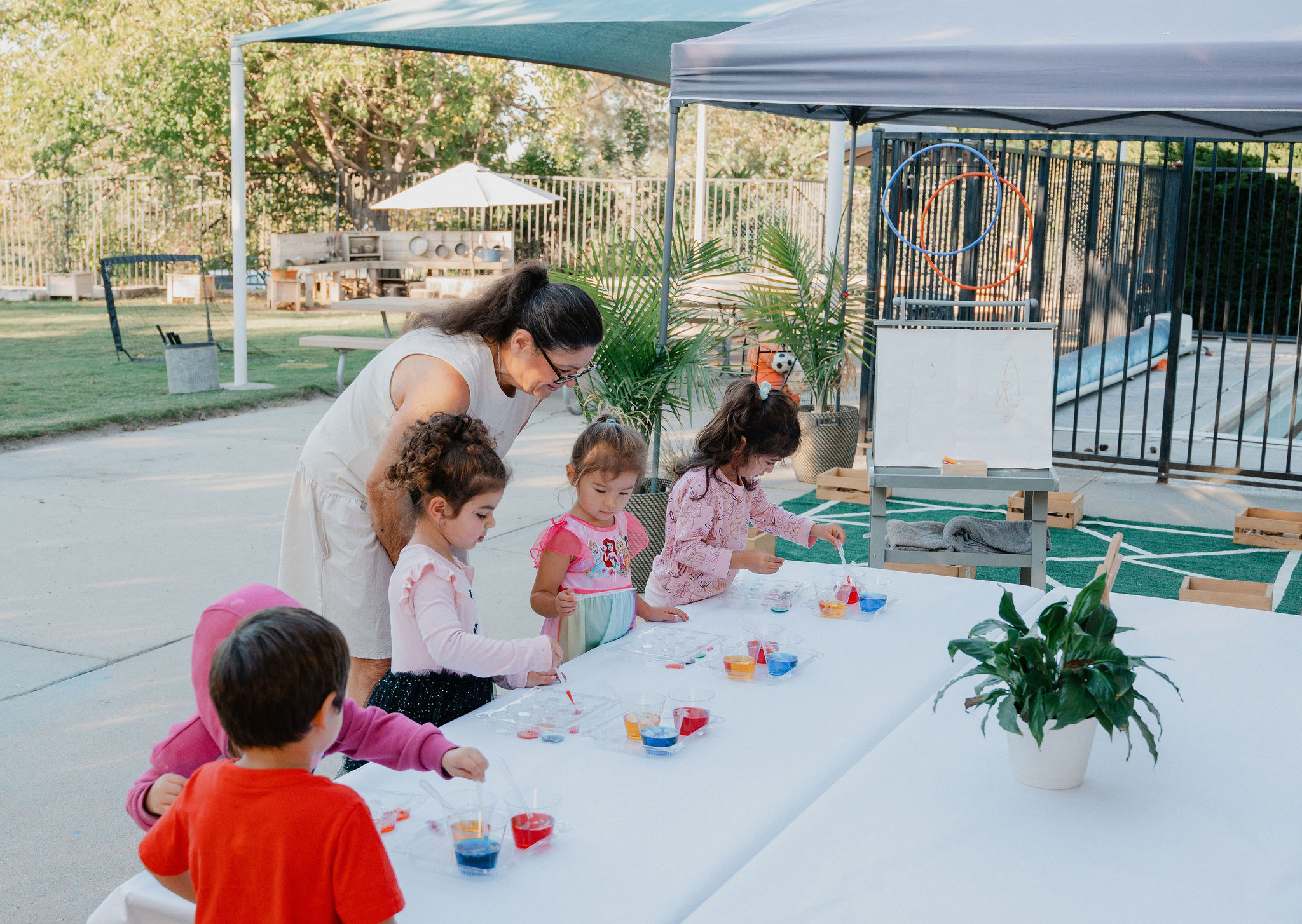
The way adults see children changes the way children experience school.
We begin with trust: trust that children can form theories, solve problems, care for their community, and communicate in remarkable ways. Teachers stay close enough to support and curious enough to leave room for discovery.
Children learn through secure connections with teachers, friends, families, and their community.
A child’s interest can become a conversation, an experiment, an artwork, or a long-term project.
Words, clay, paint, movement, construction, music, and dramatic play all make thinking visible.
Teachers revisit children’s words and work so ideas can become clearer, richer, and more connected.
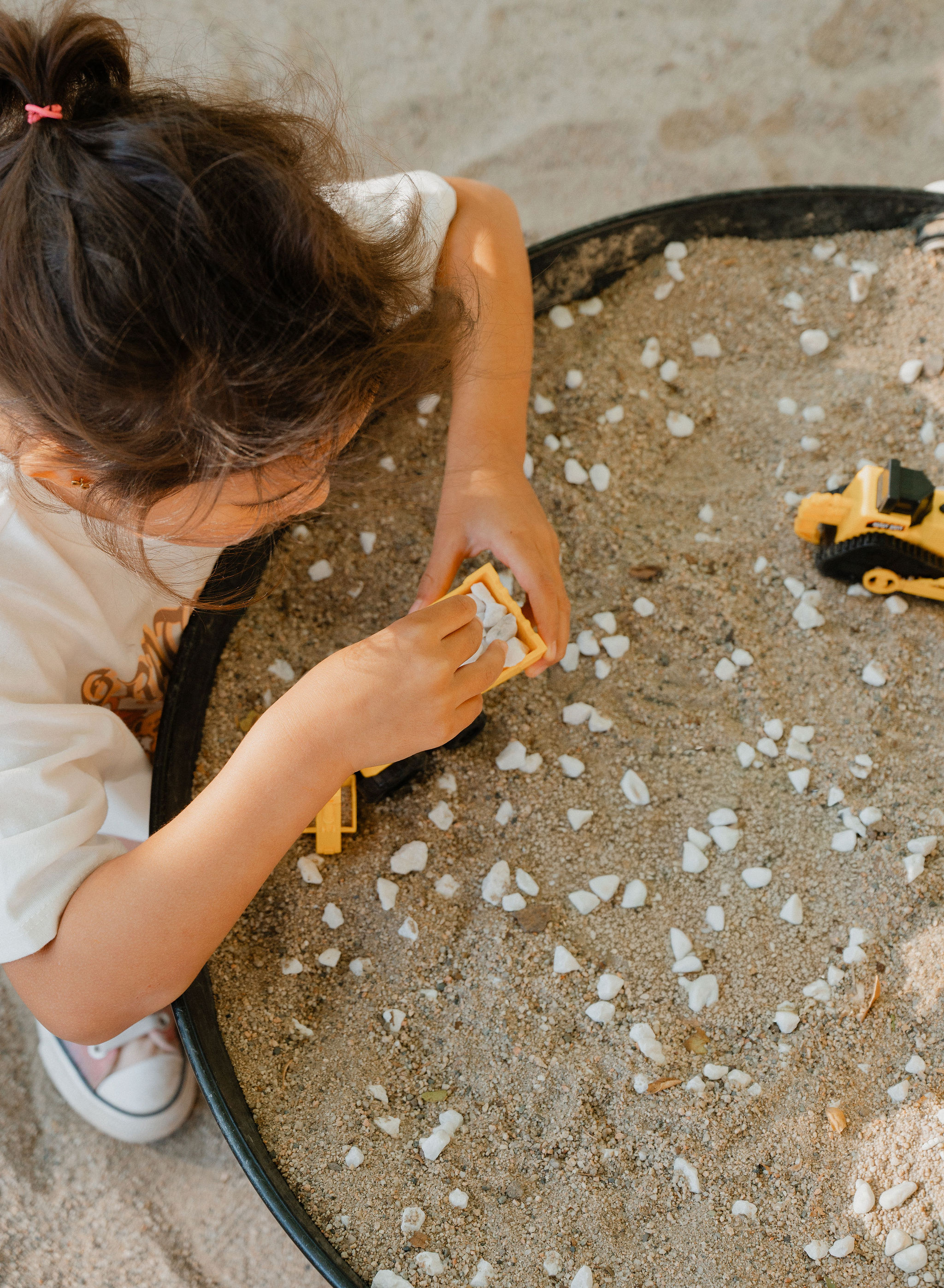
A gesture, a sketch, a question, or a pattern in play can reveal what a child is trying to understand. Teachers observe carefully, record children’s words, collect their work, and reflect on what might come next.
Documentation is more than a display. It helps children revisit their ideas, helps teachers plan with intention, and gives families a meaningful window into the learning taking place.
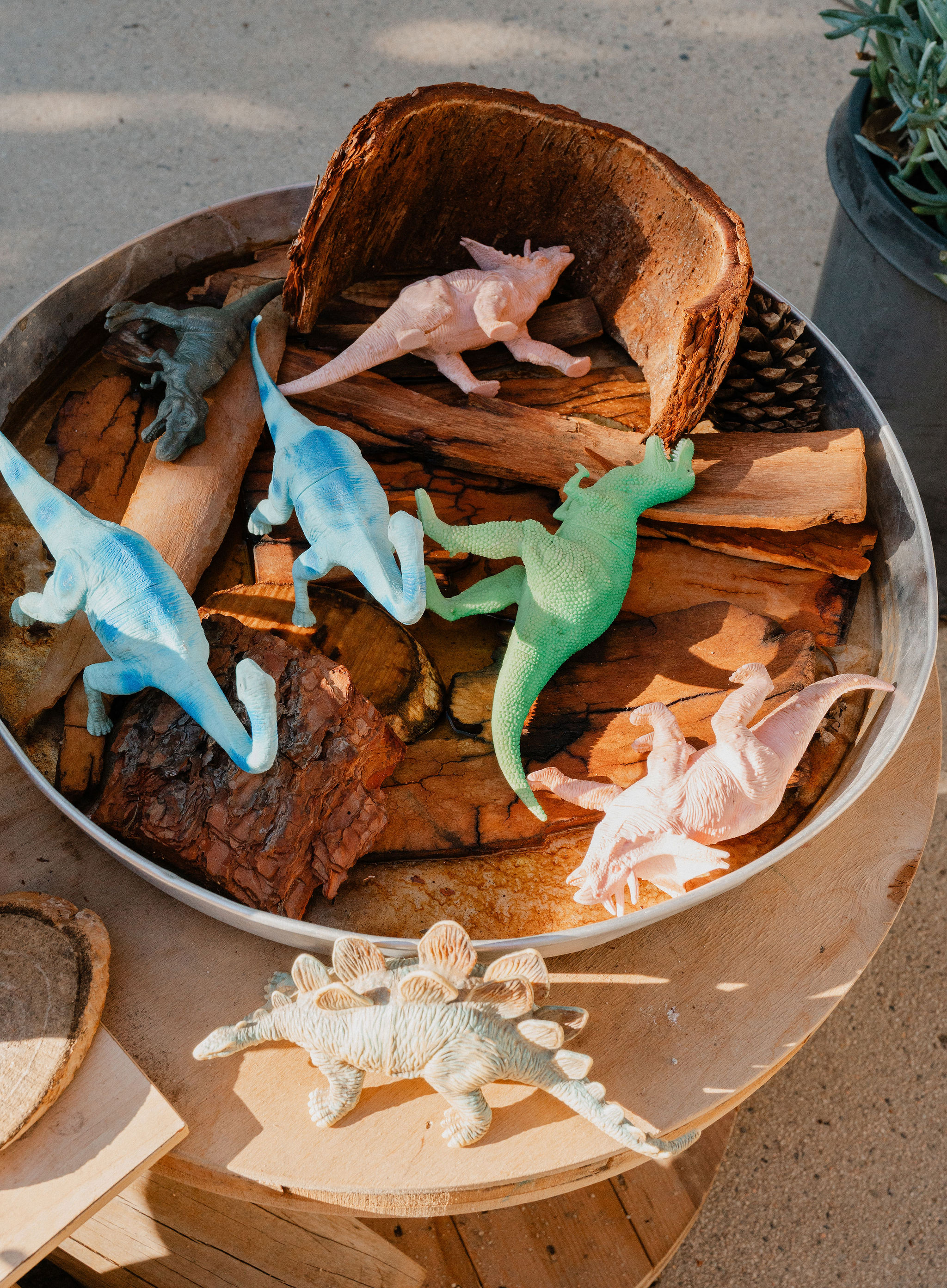
Light, texture, order, and accessible materials help children make choices, work independently, and collaborate with purpose.
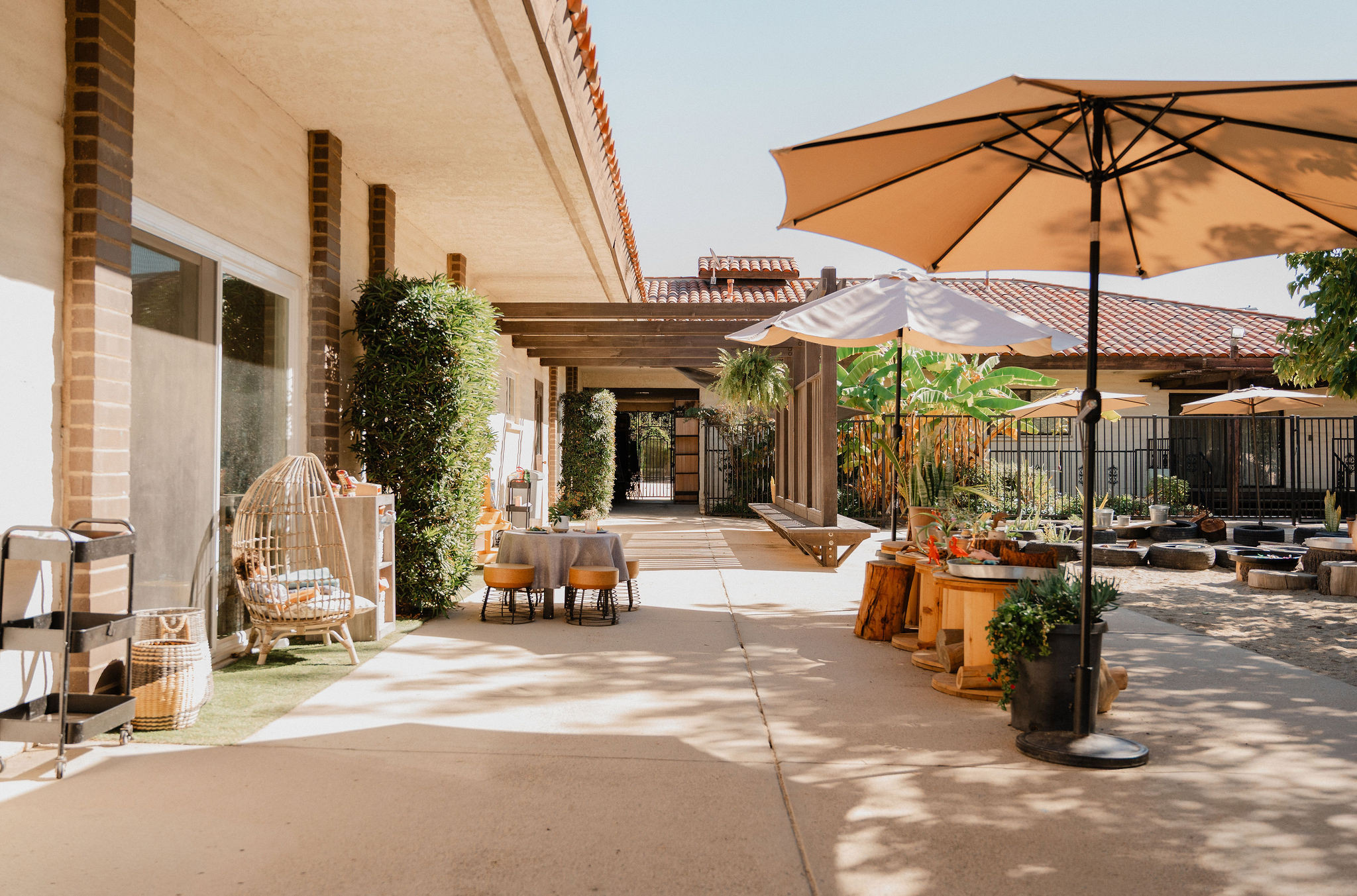
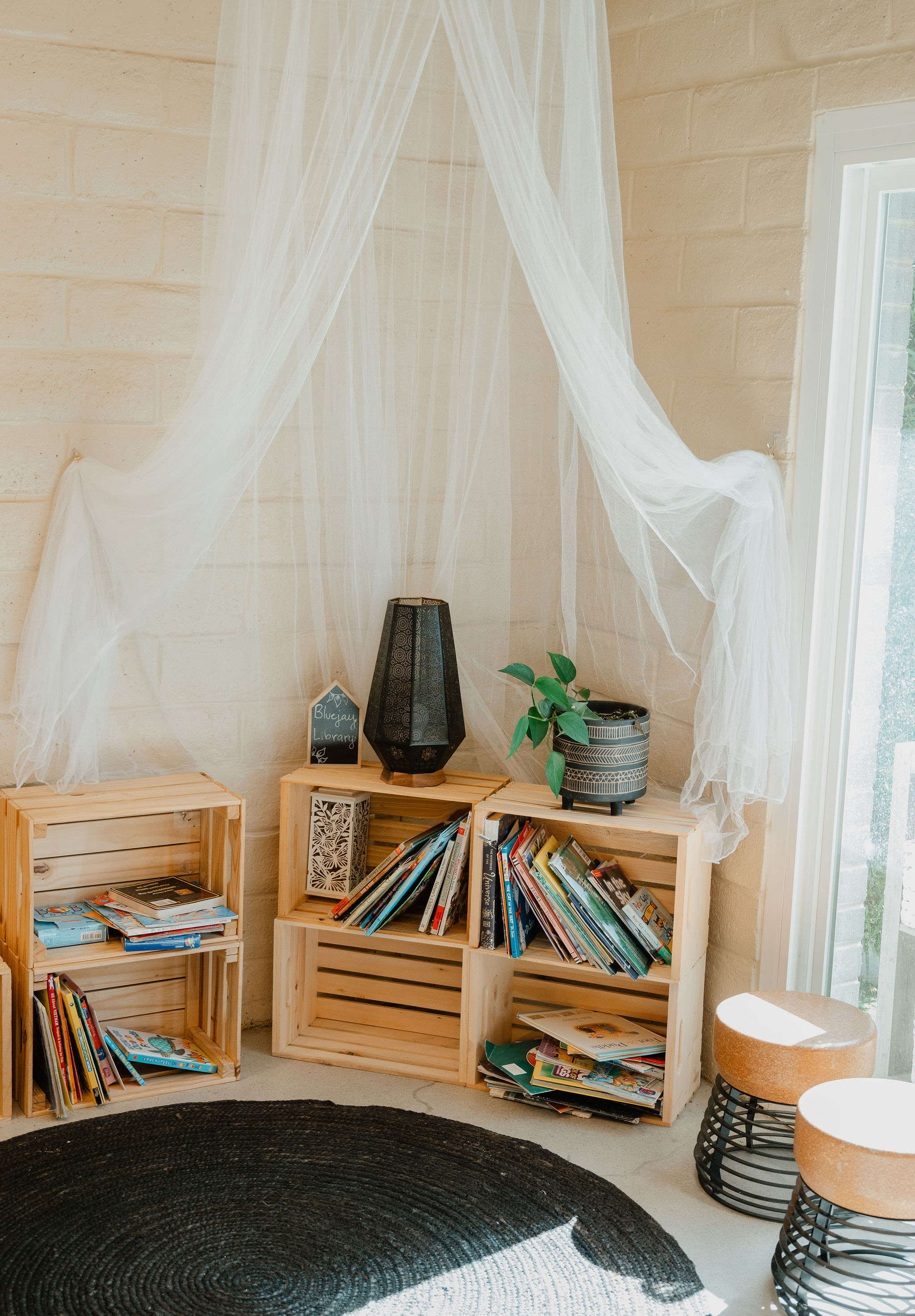
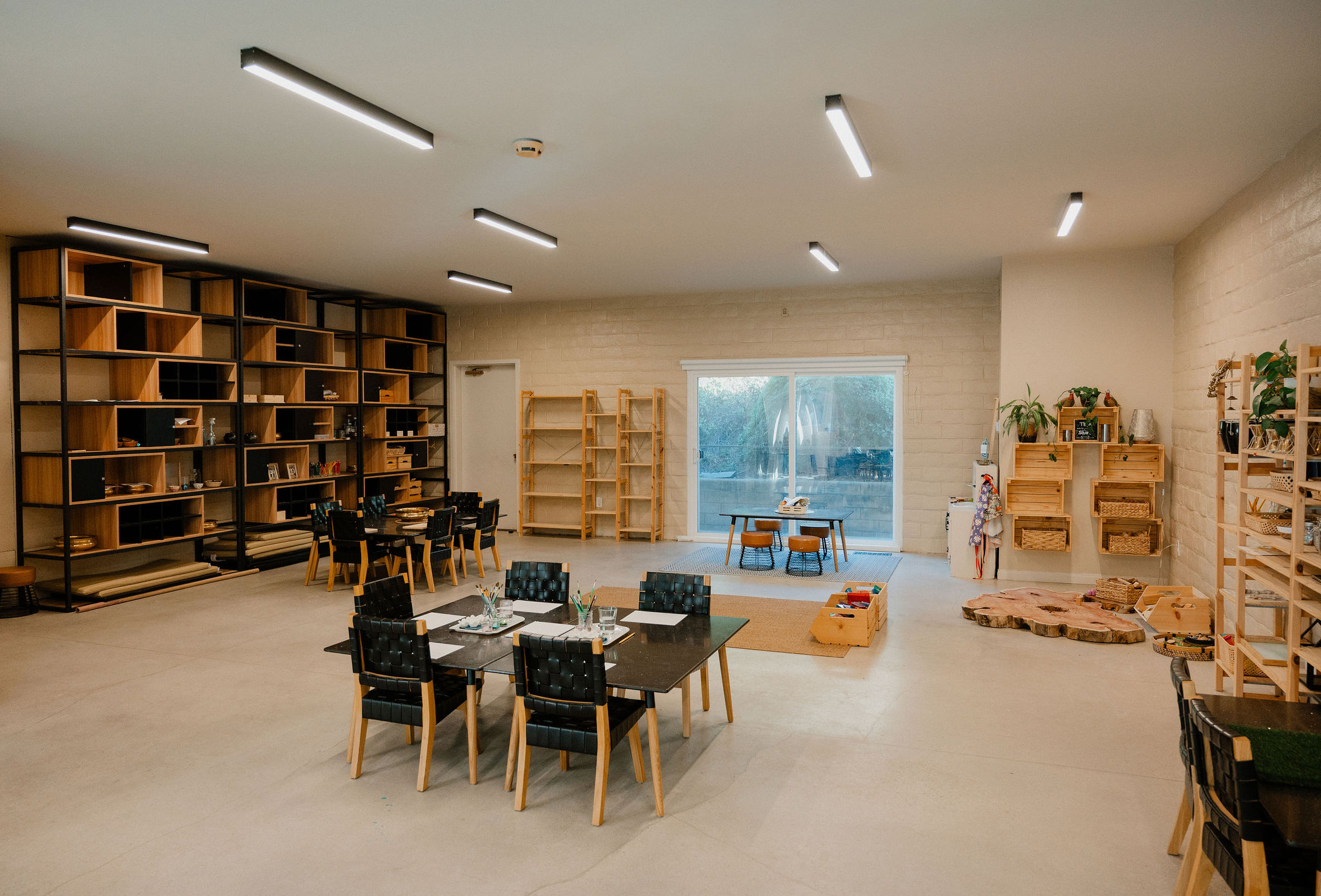
Children may explain an idea with a story, a block structure, a dance, a drawing, or a collection from nature. Every medium offers another way to investigate and another chance to be understood.
The best way to understand our approach is to see it in person and notice how children, teachers, materials, and the environment work together.
Schedule a TourIt means we view children as capable, curious learners. Teachers listen closely, build on children’s questions, and create experiences that invite investigation, collaboration, and many forms of expression.
Yes. Children benefit from a dependable rhythm. Arrival, meals, rest, outdoor time, gathering, and transitions provide security, while projects and invitations leave room for their ideas to shape the learning.
Teachers observe, take notes, collect children’s words and work, and reflect together. This documentation helps them understand each child’s thinking and decide what materials, questions, or experiences to offer next.
No. Listening, responsive relationships, thoughtful environments, and hands-on discovery can support children from infancy through the school-age years. The experience changes with each developmental stage.
Tell us a little about your child. We’ll contact you to discuss availability and arrange a visit.